


-

Add: HeBei ShengShi HongBang Cellulose Technology CO.,LTD.
-

Email
13180486930@163.com -

CONTACT US
+86 13180486930

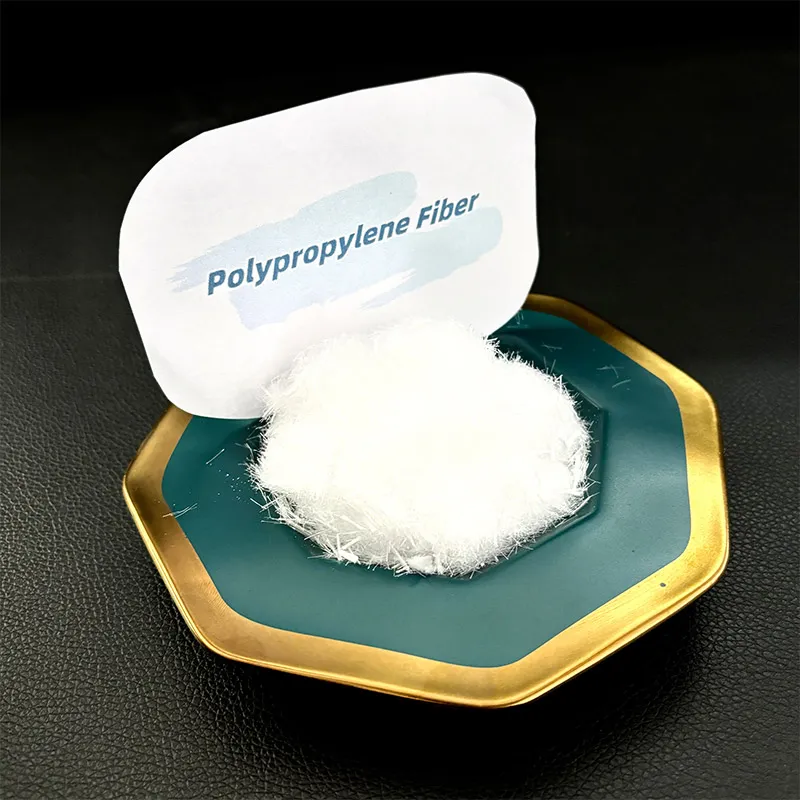


In the world of modern construction, synthetic fibers have revolutionized the way materials are used, enhancing the strength, flexibility, and durability of various building components. The different types of synthetic fibers available today are engineered for specific uses, making them indispensable in many construction projects. These fibers are often used to reinforce concrete, improve the resilience of building structures, and provide additional benefits like increased fire resistance and weather protection. From polypropylene fibers to long glass fibers , synthetic fibers offer a range of options tailored to different needs. Whether it’s increasing the strength of cement or providing insulation properties, the different types of synthetic fibers ensure that construction projects meet high standards of quality and longevity. In addition to their superior performance, synthetic fibers are often more cost-effective and readily available than traditional materials. This makes them a preferred choice for construction companies aiming to reduce costs while maintaining high-quality results. Furthermore, the environmental impact of synthetic fibers is increasingly being addressed with sustainable production methods, making them a more eco-friendly option for the construction industry. Long Glass Fiber Polypropylene: A Key Ingredient for Stronger Materials One of the standout synthetic fibers in the construction industry is long glass fiber polypropylene . This innovative fiber combines the strength of glass with the lightweight, corrosion-resistant properties of polypropylene. As a result, long glass fiber polypropylene is often used to reinforce concrete and other building materials, providing a significant boost in durability and performance. The inclusion of long glass fiber polypropylene in construction materials helps reduce cracking and improve the structural integrity of buildings and roads. The long fibers create a matrix that distributes stresses evenly across the material, preventing localized damage. This fiber is particularly useful in high-strength concrete applications where additional reinforcement is needed. Moreover, long glass fiber polypropylene is highly resistant to environmental factors like moisture, UV radiation, and temperature changes, making it ideal for both indoor and outdoor construction projects. It is commonly used in applications like paving, drainage systems, and even in the production of prefabricated building components. Its versatility and effectiveness in improving the lifespan and reliability of building materials make it a go-to solution for modern construction needs. Fibre Natural and Synthetic: A Comparison of Strength and Sustainability When choosing materials for construction, understanding the difference between fibre natural and synthetic options is crucial. While natural fibers such as jute, hemp, and cotton have been traditionally used in construction, synthetic fibers like polypropylene, polyester, and nylon have emerged as more durable and cost-effective alternatives. Fibre natural and synthetic materials each have their own advantages, making them suitable for different types of applications. Natural fibers are renewable, biodegradable, and often produced using more sustainable methods, making them a more eco-friendly option. However, they may not offer the same level of strength or resistance to environmental factors as synthetic fibers. On the other hand, synthetic fibers are engineered for durability, offering superior resistance to moisture, heat, and wear. They are often used to enhance the properties of natural materials, making them more suitable for demanding construction environments. For example, natural fibers like hemp may be used in insulation or as a reinforcement material in low-stress applications, while synthetic fibers like polypropylene or polyester are used for high-strength reinforcement in concrete, roofing, and other critical structures. By combining the best of both fibre natural and synthetic materials, construction companies can achieve optimal performance and sustainability. Non-Woven Polypropylene Fiber: A Revolutionary Material in Construction Non woven polypropylene fiber is another essential material that is increasingly being used in the construction industry. Unlike traditional woven fabrics, non woven polypropylene fiber is made from a process that bonds fibers together without weaving or knitting, resulting in a highly versatile material with excellent durability and moisture resistance. This fiber is widely used in applications like drainage systems, geotextiles, and road construction. Non woven polypropylene fiber provides a lightweight yet strong solution for reinforcing construction materials. It is often used in soil stabilization, as it helps prevent erosion and improves the strength of the ground underneath roads, bridges, and buildings. The material's ability to resist moisture also makes it ideal for protecting against corrosion and extending the lifespan of infrastructure. Additionally, non woven polypropylene fiber is environmentally friendly, as it is made from recyclable polypropylene, a material that can be repurposed for various other uses. Its cost-effectiveness, combined with its high-performance qualities, makes it a popular choice for contractors seeking durable and sustainable solutions for their construction projects. S ynthetic F ibers FAQs What are the different types of synthetic fibers used in construction? Synthetic fibers used in construction include polypropylene, polyester, nylon, and glass fibers. Each type is engineered for specific applications, such as reinforcing concrete, improving durability, and providing insulation. What is long glass fiber polypropylene, and why is it important in construction? Long glass fiber polypropylene is a fiber that combines the strength of glass with the lightweight, corrosion-resistant properties of polypropylene. It is essential in construction for reinforcing concrete, improving structural integrity, and preventing cracking. What are the benefits of using natural fibers in construction? Natural fibers , like hemp or jute, offer benefits such as renewability, biodegradability, and sustainability. They are commonly used for insulation and low-stress reinforcement, but may not be as durable or resistant to environmental factors as synthetic fibers. How does non-woven polypropylene fiber differ from woven fabrics? Unlike woven fabrics, non-woven polypropylene fiber is made through a bonding process that does not involve weaving or knitting. This results in a highly durable and moisture-resistant material, commonly used in geotextiles, drainage systems, and soil stabilization. Are synthetic fibers environmentally friendly? While synthetic fibers are often made from petroleum-based products, many are now produced using more sustainable methods. Additionally, materials like non woven polypropylene fiber are recyclable, making them a more environmentally friendly choice in construction. As construction needs evolve, synthetic fibers like long glass fiber polypropylene and non woven polypropylene fiber continue to play a crucial role in enhancing the strength, durability, and sustainability of building materials. If you're in the construction business, investing in these cutting-edge fibers will improve the performance of your projects and contribute to more eco-friendly practices. Visit our website today to explore our wide range of high-quality synthetic fibers and learn how they can transform your construction projects!
- 40000tons

Production
- 20+years

Experience
- 5000+㎡

Acreage

-
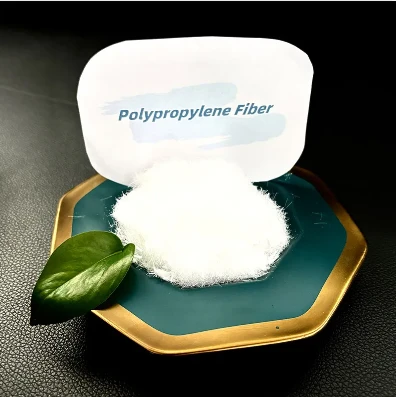
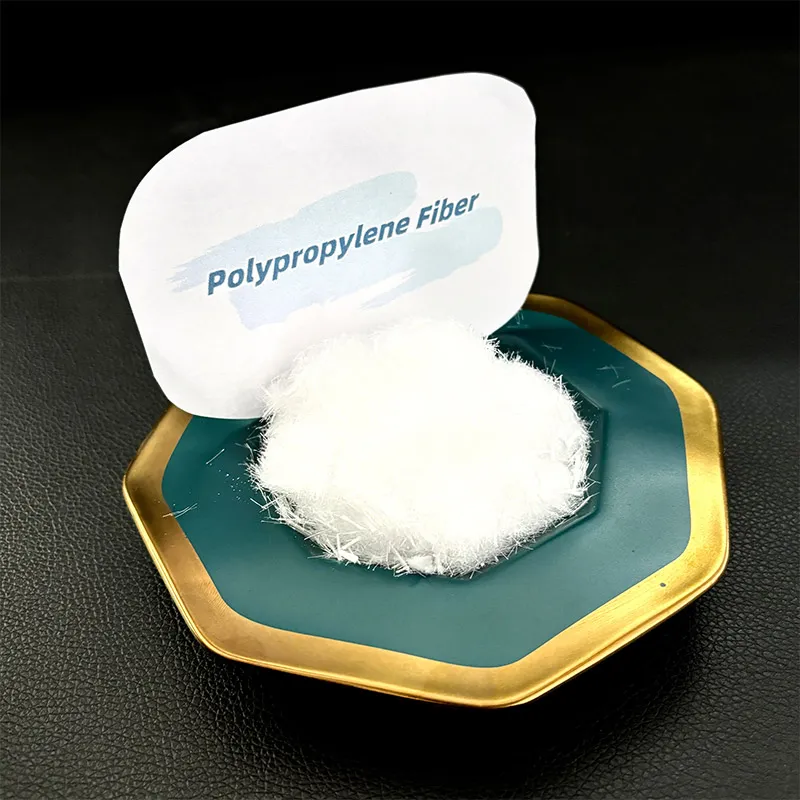
In the world of construction and textiles, innovative materials like polypropylene fiber and acrylic fiber are transforming traditional methods. Whether for enhancing concrete structures or creating durable fabrics, these fibers offer unparalleled versatility. If you're exploring polypropylene fiber for sale , you’re investing in a material that combines strength, durability, and cost-effectiveness. Polypropylene Fiber: A Revolution in Construction Materials Polypropylene fiber has emerged as a game-changing material in construction, particularly in concrete reinforcement. Known for its lightweight yet high-strength properties, it provides exceptional durability to concrete structures. When integrated into polypropylene fiber reinforced concrete , it significantly reduces cracking, improves toughness, and enhances resistance to wear and tear. The availability of polypropylene fiber for sale has made it easier for builders and manufacturers to access this cost-effective solution. By incorporating polypropylene fiber , you can ensure that your projects meet modern standards of durability and sustainability. Whether it’s for residential buildings, industrial floors, or road construction, this fiber is a valuable addition to any construction project. Polypropylene Fiber Reinforced Concrete: Strength and Longevity Combined When it comes to structural integrity, polypropylene fiber reinforced concrete stands out as a top choice for builders. By dispersing fibers throughout the concrete mix, it improves tensile strength, reduces shrinkage cracks, and enhances overall performance. This innovative solution is particularly effective in applications like pavements, precast products, and water-retaining structures. For contractors looking for polypropylene fiber for sale , choosing a high-quality supplier ensures the best results. The benefits of polypropylene fiber reinforced concrete extend beyond durability; it also reduces maintenance costs, minimizes downtime, and supports eco-friendly construction practices. Acrylic Fiber: Versatility Beyond Construction While polypropylene fiber dominates the construction industry, acrylic fiber is a leader in textiles and apparel. This synthetic material mimics the softness and warmth of wool, making it a popular choice for clothing, home furnishings, and industrial fabrics. Its resistance to fading, shrinking, and mildew ensures that products made from acrylic fiber remain durable and vibrant over time. As you explore polypropylene fiber for sale , consider the complementary benefits of acrylic fiber in creating a diverse range of products. Both fibers are known for their cost-effectiveness and adaptability, making them ideal for businesses that prioritize quality and efficiency. Why Choose Polypropylene Fiber for Your Projects? The increasing demand for polypropylene fiber for sale highlights its significance across industries. For construction professionals, polypropylene fiber offers an affordable and practical way to enhance the durability of concrete. Its lightweight nature makes it easy to handle and integrate, reducing labor costs and speeding up project timelines. Meanwhile, businesses in textiles benefit from the versatility of acrylic fiber , which provides a balance of comfort and performance. Whether you're working on infrastructure development or creating stylish garments, these fibers offer the reliability and innovation required to succeed. Explore Polypropylene Fiber for Sale Today If you’re ready to take your projects to the next level, look no further than polypropylene fiber for sale . With its superior strength, affordability, and environmental benefits, polypropylene fiber and polypropylene fiber reinforced concrete are essential for modern construction. Additionally, the complementary qualities of acrylic fiber ensure that industries beyond construction can also reap the rewards of advanced materials. Investing in these fibers means embracing the future of durable, sustainable, and versatile materials. Transform your projects with polypropylene fiber and experience the benefits of innovation firsthand.
-
Heat-resistant synthetic fibers have emerged as a game-changer in a variety of industries, from textiles to aerospace. These advanced materials are engineered to withstand high temperatures while maintaining their structural integrity, making them indispensable in contexts where heat resistance is paramount. As someone who has delved deeply into the properties and applications of these fibers, I can attest to their transformative impact across multiple fields. One of the most compelling applications of heat-resistant synthetic fibers is in the development of protective clothing. Firefighters, for example, require gear that can endure extreme heat and flames; these fibers provide that essential level of protection. Unlike natural fibers, which can ignite or melt easily, heat-resistant synthetics such as aramid fibers offer superior flame resistance. This expertise in textile engineering ensures that protective garments function effectively even under the most challenging conditions, enhancing the safety and performance of first responders. Moreover, heat-resistant synthetic fibers have become crucial in automotive and aerospace industries, where the integrity of materials at high temperatures is crucial for safety and performance. In the automotive sector, these fibers are used in components such as turbochargers and under-the-hood applications, where they contribute to durability and efficiency. The reliability and longevity of these materials under continuous thermal stress demonstrate the high level of expertise embedded in their design and production. heat resistant synthetic fiber The aerospace industry leverages these fibers for similar reasons, but with even more demanding requirements. Aircraft must deal with significant temperature fluctuations and potential exposure to high heat during flight and re-entry. Synthetic fibers such as those made from polyimide are used to construct heat shields, insulating the craft and protecting both the vehicle and its occupants. The authoritative research and development in this field underscore the fibers' capacity to meet rigorous aerospace standards. Beyond these large-scale industrial applications, heat-resistant synthetic fibers are also increasingly used in consumer goods. In the realm of home appliances, for instance, manufacturers are integrating these fibers into products to improve safety and functionality. Oven mitts, ironing board covers, and even certain types of cookware benefit from the non-flammable, resilient nature of these fibers, providing consumers with peace of mind in everyday use. This blend of practicality and safety highlights the trustworthiness of these materials when incorporated into products with daily exposure to heat. In conclusion, the advancing technology behind heat-resistant synthetic fibers exemplifies modern industrial prowess . Their application spans across areas that require strict adherence to thermal management, offering invaluable solutions where traditional materials fall short. This synthesis of experience, expertise, authority, and trustworthiness in developing and applying these fibers ensures that they will continue to be at the forefront of innovation. As industries continue to demand materials that can perform under extreme conditions without compromising on safety or efficacy, heat-resistant synthetic fibers will undoubtedly maintain their critical role, propelling further advancements and inspiring new applications that meet the needs of both sectors and consumers alike.
advantages
-

200000 Viscosities
Excellent product
We can produce pure products up to 200,000 viscosities
-

40000 tons
High yield
We don’t stop production all year round, and the annual output can reach 40,000 tons
-

24 hours
Quality service
We provide 24-hours online reception service, welcome to consult at any time
———— Inquiry Form
Schedule A services
-
 hpmc_chemical_formula
Oct . 25, 2025
Understanding Polyolefin Fibers Properties, Applications, and Advantages Polyolefin fibers, derived -
 ether_d_amidon_de_chine
Oct . 25, 2025
Hydroxypropyl Methylcellulose (HPMC) is a highly versatile and reliable compound used across various -
 wanga_ether_hutumia
Oct . 25, 2025
The rubber powder production line is a revolutionary method for recycling used tires and rubber mate


